The short version
What to know before you go
- The 2026 MLB map includes 30 active home parks.
- The Athletics play at Sutter Health Park in West Sacramento in 2026.
- The Rays are back at Tropicana Field for the 2026 season.
- Track parks and games separately: both tell a different part of the story.
What counts as completing all 30?
There is no commissioner of personal ballpark lists. Most fans count a park after attending a game there, but rainouts, tours, postseason games, and replacement stadiums create personal edge cases. Decide your rule before you chase the number and keep it consistent.
We recommend a simple standard: count a park when you attend at least one official game there. Keep retired parks in a separate lifetime total. That way your active 30 stays current as teams move while your full baseball history never loses a place you genuinely visited.
A current-30 list changes. A lifetime ballpark list only grows.
The 2026 list has two important context notes
The Athletics are playing home games at Sutter Health Park in West Sacramento during the 2026 season. The temporary venue belongs on a current-season checklist because it is where the club’s official home games are being played.
The Tampa Bay Rays returned to Tropicana Field for 2026 after playing the 2025 season at George M. Steinbrenner Field. These are exactly the changes that make a dated, transparent checklist more useful than an undated graphic passed around online.
Verified July 13, 2026
All 30 active MLB ballparks
Park · home club · city
American League
East
- 01Oriole Park at Camden Yards
Baltimore Orioles · Baltimore, Maryland
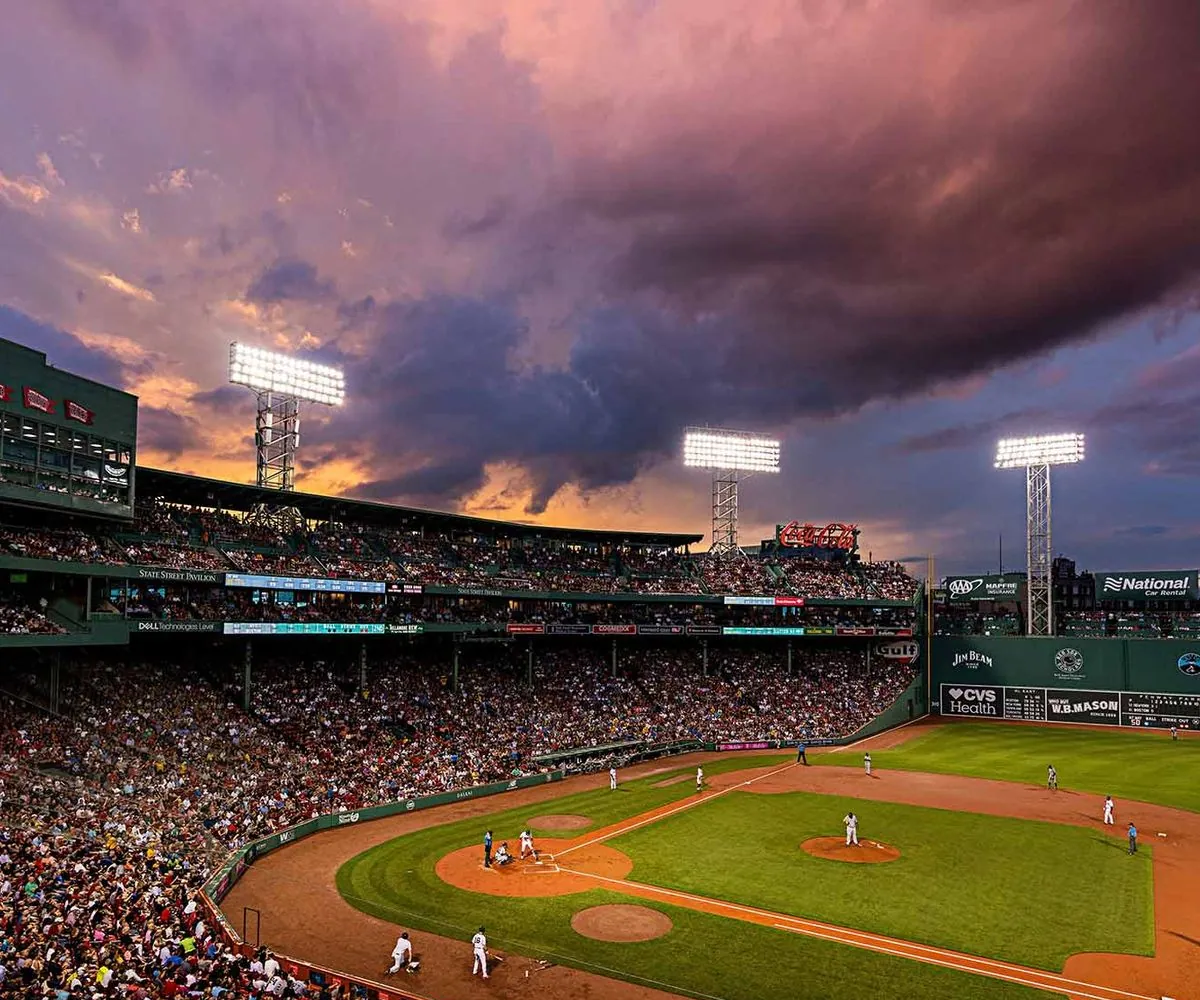
- 02Fenway Park
Boston Red Sox · Boston, Massachusetts
- 03Yankee Stadium
New York Yankees · Bronx, New York
- 04Tropicana Field
Tampa Bay Rays · St. Petersburg, Florida
- 05Rogers Centre
Toronto Blue Jays · Toronto, Ontario
Central
- 06Rate Field
Chicago White Sox · Chicago, Illinois
- 07Progressive Field
Cleveland Guardians · Cleveland, Ohio
- 08Comerica Park
Detroit Tigers · Detroit, Michigan
- 09Kauffman Stadium
Kansas City Royals · Kansas City, Missouri
- 10Target Field
Minnesota Twins · Minneapolis, Minnesota
West
- 11Daikin Park
Houston Astros · Houston, Texas
- 12Angel Stadium
Los Angeles Angels · Anaheim, California
- 13Sutter Health Park
Athletics · West Sacramento, California
- 14T-Mobile Park
Seattle Mariners · Seattle, Washington
- 15Globe Life Field
Texas Rangers · Arlington, Texas
National League
East
- 16Truist Park
Atlanta Braves · Atlanta, Georgia
- 17loanDepot park
Miami Marlins · Miami, Florida
- 18Citi Field
New York Mets · Queens, New York
- 19Citizens Bank Park
Philadelphia Phillies · Philadelphia, Pennsylvania
- 20Nationals Park
Washington Nationals · Washington, D.C.
Central
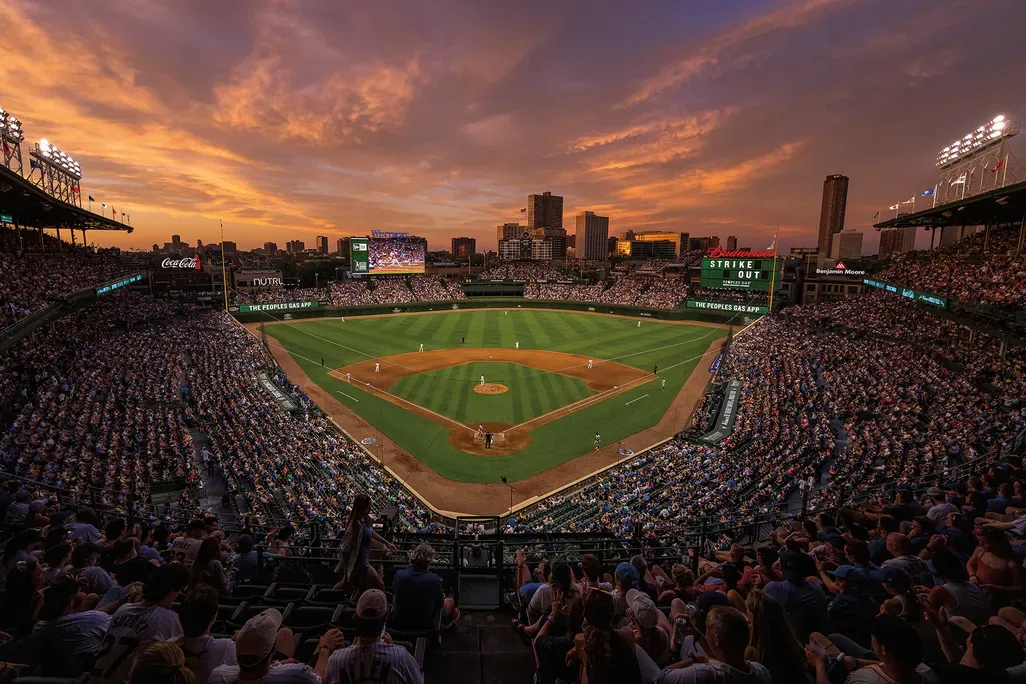
- 21Wrigley Field
Chicago Cubs · Chicago, Illinois
- 22Great American Ball Park
Cincinnati Reds · Cincinnati, Ohio
- 23American Family Field
Milwaukee Brewers · Milwaukee, Wisconsin
- 24PNC Park
Pittsburgh Pirates · Pittsburgh, Pennsylvania
- 25Busch Stadium
St. Louis Cardinals · St. Louis, Missouri
West
- 26Chase Field
Arizona Diamondbacks · Phoenix, Arizona
- 27Coors Field
Colorado Rockies · Denver, Colorado
- 28Dodger Stadium
Los Angeles Dodgers · Los Angeles, California
- 29Petco Park
San Diego Padres · San Diego, California
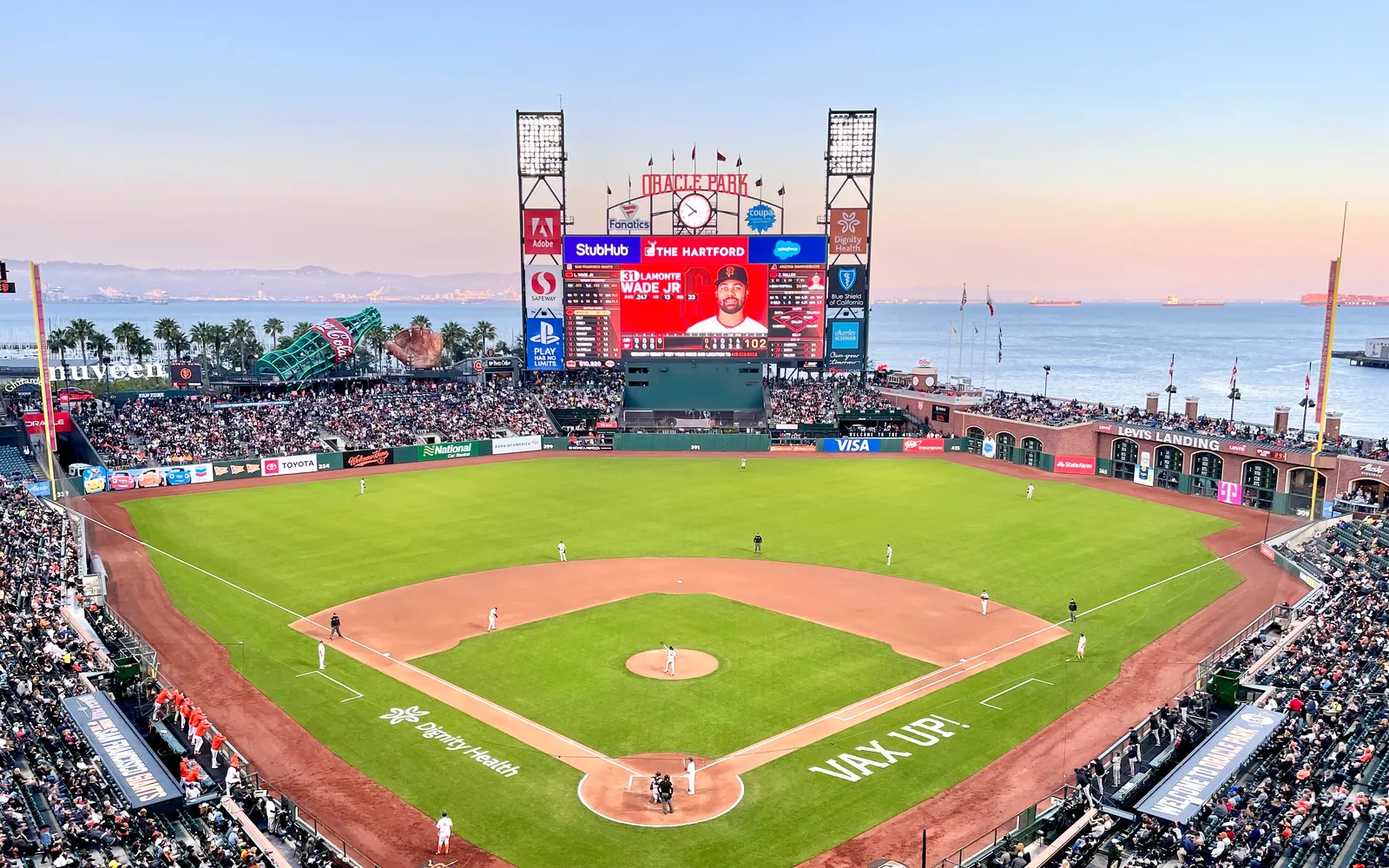
- 30Oracle Park
San Francisco Giants · San Francisco, California
Turn 30 separate parks into regional chapters
Completing the list gets easier when you stop thinking of it as 30 isolated flights. Build chapters around regions and revisit the plan each season after schedules are released. Some pairings can use rail or a short drive; others deserve a dedicated trip because the city and park are the entire point.
The Northeast, Midwest, Texas, Florida, Southern California, and the Pacific Northwest can each become a distinct chapter. Do not force every nearby park into one run. A Chicago trip can be complete with the Cubs and White Sox, then Milwaukee can become the start of a different summer.
Choose a memory goal, not only a number goal
A checklist creates momentum, but it can also flatten the experience. Give each park one memory goal: see batting practice, eat the signature local order, walk a full concourse lap, sit in the upper deck for the skyline, or learn one tradition before first pitch.
Record the opponent, score, seat, companions, food, and one defining moment. Those details are what separate park 17 from park 18 years later. Ballpark Passport keeps the active progress and the personal story in the same place.
- One exterior photo that identifies the place
- One wide view from your seat
- One local food or ritual
- One sentence about the atmosphere
- One moment from the game itself
Keep the list accurate
Stadium names, home venues, schedules, transit details, and policies can change during a season. This checklist is dated and reviewed against official club information, but your final game-day check should always happen on the team’s official site.
Use the active list for planning and your passport for memory. When a naming-rights deal changes a sign, the night you spent there still counts. When a club moves, the old venue becomes part of your lifetime record and the new one becomes a fresh stamp to chase.
FAQ
Frequently asked questions
How many MLB ballparks are there in 2026?
There are 30 active MLB home parks in the 2026 season, one for each club. The Athletics are at Sutter Health Park and the Rays are at Tropicana Field.
Does a stadium tour count as visiting an MLB ballpark?
Your list can use any rule you enjoy. For a consistent all-30 challenge, we recommend counting a park after attending an official game and tracking tours separately.
Do old MLB stadiums count toward all 30?
Retired stadiums count toward a lifetime ballpark total, but not the current active 30. Keeping both totals preserves your history without making the present-day challenge confusing.
Keep the story
Your next park deserves more than a checkmark.
Log the game, stamp the park, and watch your baseball map become yours.